Financial Comprehensive
Morning Squawk: What the Numbers Really Say. - Buckle Up!
 Avaxsignals Published on2025-12-05 Views1 Comments0
Netflix and Warner Bros. Discovery: A Potential Merger?
Netflix to buy Warner Bros. Discovery? The idea sounds like the fever dream of a media analyst who's been mainlining caffeine and corporate filings. But in the world of streaming, where the lines between content creators and distributors are blurrier than ever, it's worth taking a cold, hard look at the numbers to see if there's any actual fire beneath all that smoke.
The Potential Synergy: Content and Subscribers
Let's start with the basics. Netflix, the undisputed king of streaming – at least for now – has a market cap that still makes Wall Street salivate. Warner Bros. Discovery, formed from the merger of WarnerMedia and Discovery, carries a debt load that could sink a small island nation. The obvious synergy is content, content, content. Warner Bros. Discovery has a vault overflowing with iconic franchises, from Batman to Harry Potter, while Netflix needs to keep feeding the beast to prevent subscriber churn. But does a merger make financial sense?
Motivations Behind a Potential Deal
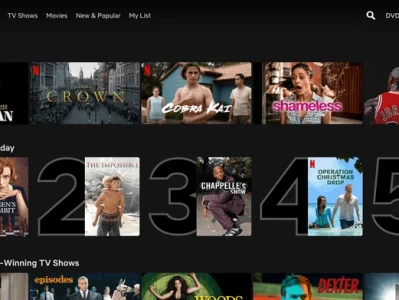
The first question I always ask is: what are the motivations? For Warner Bros. Discovery, it's simple: shedding debt. The merger that created the company saddled it with a staggering amount of it, and they've been desperately trying to cut costs and find ways to generate cash ever since. (Remember when they shelved that nearly finished Batgirl movie? That was a tax write-off, pure and simple.) Selling to Netflix would be the ultimate fire sale, a way to offload the debt onto Netflix's balance sheet and walk away. For Netflix, the motivation is less clear. They've always prided themselves on their original content, building their brand on shows like Stranger Things and The Crown. Acquiring Warner Bros. Discovery would be an admission that they can't compete on original content alone, that they need the crutch of established franchises to stay ahead.
The Subscriber Growth Dilemma
And that's where the numbers get interesting. Netflix's subscriber growth has slowed, and competition from Disney+, Amazon Prime Video, and others is only getting fiercer. To maintain its dominance, Netflix needs to keep adding subscribers and increasing prices. But there's a limit to how much consumers are willing to pay for streaming, especially when they're already juggling multiple subscriptions. Acquiring Warner Bros. Discovery would give Netflix a massive library of content to attract and retain subscribers, but it would also come with a hefty price tag – not just the acquisition cost, but also the cost of integrating the two companies and managing the debt.
Consumer Spending Trends: Ulta Beauty and Meta
Now, let's pivot briefly to two seemingly unrelated data points that, in my opinion, paint a broader picture of the consumer landscape. Ulta Beauty, the cosmetics retailer, recently announced surprisingly strong earnings. This suggests that consumers are still willing to spend money on discretionary items, even in the face of inflation and economic uncertainty. However, this could also be a "lipstick effect" – a phenomenon where people cut back on big-ticket purchases but continue to spend on small luxuries to make themselves feel better.
Then there's Meta, the company formerly known as Facebook, which has seen its stock price rebound after a disastrous 2022. This rebound is largely attributed to cost-cutting measures and a renewed focus on the metaverse (a concept I'm still deeply skeptical of). But is this rebound sustainable? Or is it just a temporary blip fueled by hype and wishful thinking? I've looked at hundreds of these filings, and this particular footnote about "metaverse monetization strategies" is unusually vague.
Implications for Netflix
These two data points, taken together, suggest that the consumer landscape is more complex than the headlines would have you believe. People are still spending money, but they're being more selective about where they spend it. And while some companies are thriving, others are struggling to adapt to the changing environment.
So, how does all of this relate to the potential Netflix-Warner Bros. Discovery merger? It suggests that Netflix needs to be extremely careful about how it spends its money. Acquiring Warner Bros. Discovery would be a huge gamble, a bet that the combined company can generate enough revenue to justify the acquisition cost and manage the debt. But if Netflix miscalculates, it could end up sinking the entire ship. News about Netflix potentially buying Warner Bros. Discovery, Ulta earnings, and Meta's rebound were also mentioned in Netflix to buy Warner Bros. Discovery, Ulta earnings, Meta's rebound and more in Morning Squawk.
The Debt is the Devil
Ultimately, the viability of a Netflix acquisition of Warner Bros. Discovery hinges on one thing: debt. Can Netflix absorb Warner Bros. Discovery's debt load without crippling its own financial flexibility? Can it generate enough revenue from the combined company to pay down the debt and continue investing in original content? The numbers suggest that it would be a very tight squeeze. And in the world of streaming, where the competition is fierce and the consumer is fickle, there's very little room for error.
A House of Cards
Netflix buying Warner Bros. Discovery? It's a flashy idea, sure, but beneath the surface, it looks like a desperate play fueled by debt and the need to stay ahead in a brutal streaming war. The numbers don't lie: this deal is a high-stakes gamble with very little margin for error.